Pay Bill
 Patient Portal


What Kind of Doctor Does Cataract Surgery?

Updated: December 17, 2025
Our eyes change as we age, and the likelihood of developing eye diseases such as cataracts increases. This common eye condition can lead to vision loss that interferes with daily activities, limits independence, and impacts overall quality of life. The good news: Cataract surgery performed by an experienced ophthalmologist can safely restore clearer vision.
What Are Cataracts?
Cataracts are a progressive medical condition and form caused when the proteins in the natural lens of the eye begin to break down. This causes the lens to cloud, which makes it difficult to see clearly. Cataracts are among the leading causes of visual impairment and can eventually lead to blindness if left untreated. Roughly half of all Americans have had cataracts or cataract surgery by the age of 80.
What Is Cataract Surgery?
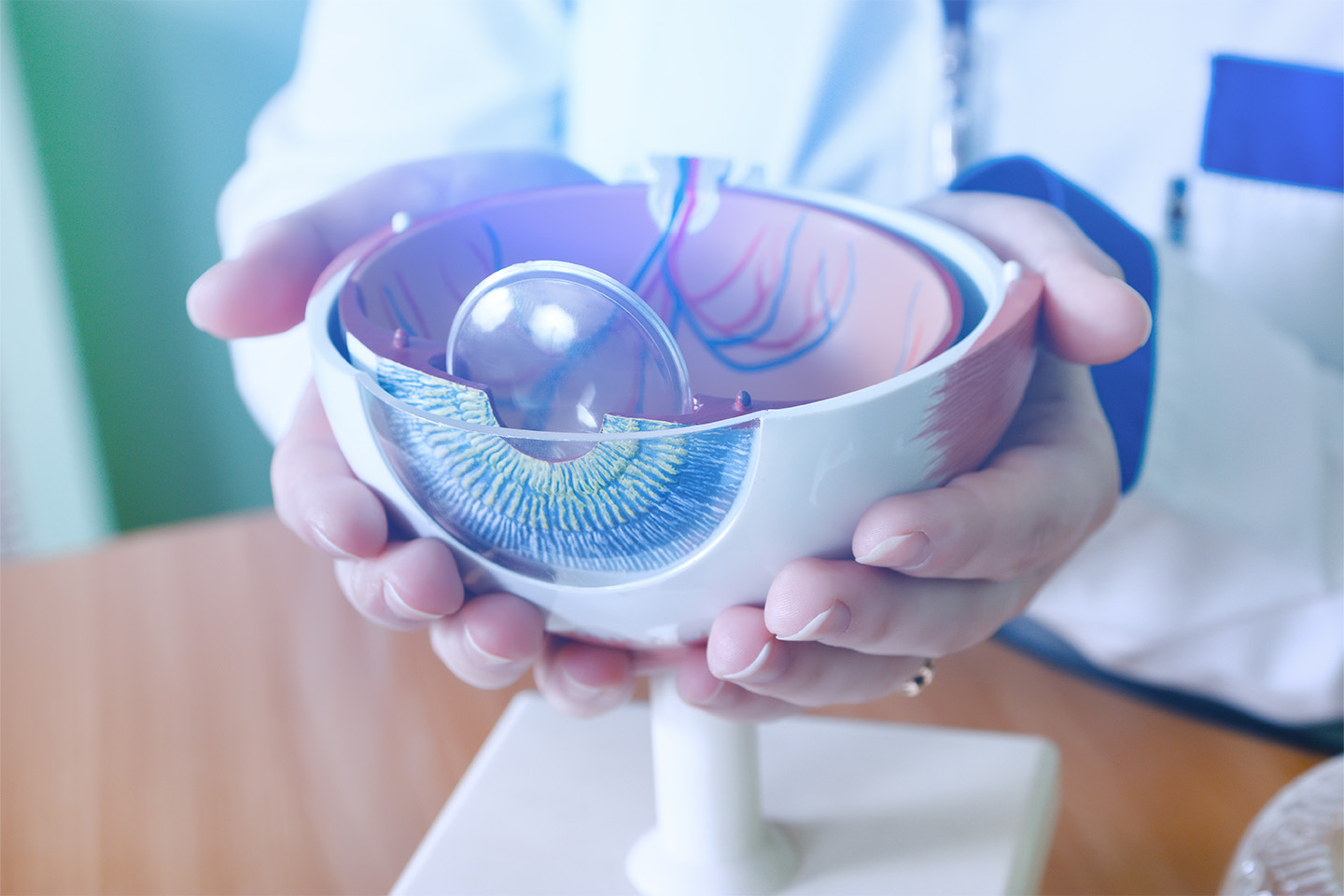
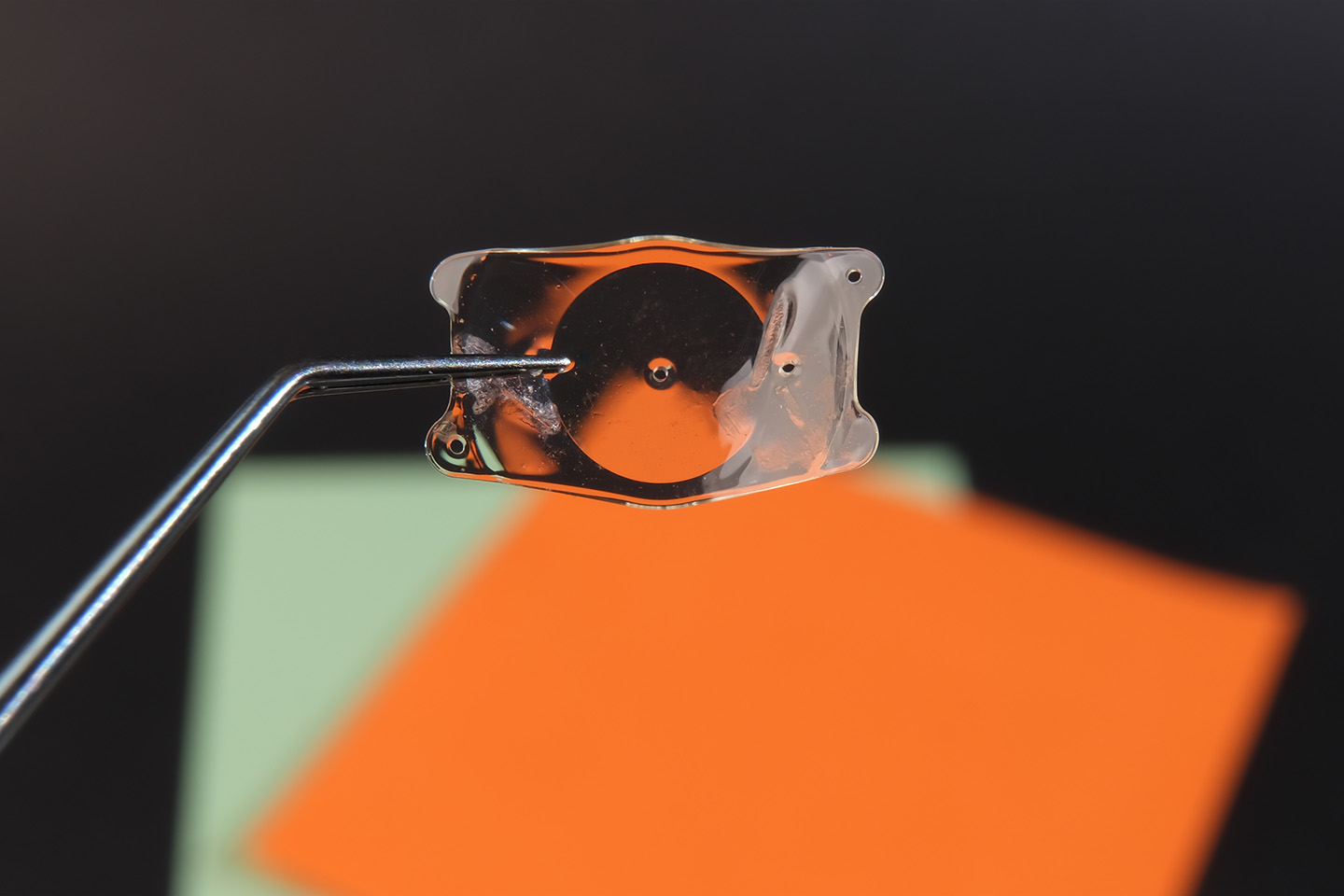
When cataracts advance beyond conservative management, an ophthalmologist — particularly a cataract specialist — can perform cataract surgery to remove the clouded lens and replace it with a clear, artificial intraocular lens (IOL) made of acrylic, silicone, or plastic.
Over 3 million cataract surgeries are performed in the U.S. each year, and the procedure is considered one of the safest and most effective surgeries available. It typically takes about 20 minutes and is done on an outpatient basis with a relatively quick recovery for most patients.
What Is an Ophthalmologist?
The American Academy of Ophthalmology defines an ophthalmologist as a medical or osteopathic doctor who specializes in eye and vision care and is licensed to perform both medical treatment and surgery. Compared to optometrists and opticians, ophthalmologists undergo significantly more education – usually 12 to 14 years of training, including medical school and surgical residency – and are licensed to diagnose and treat a wider range of eye conditions. In general, ophthalmologists study for 12 to 14 years prior to practicing.
Many ophthalmologists also complete additional fellowship training in subspecialties such as cataracts, glaucoma, cornea, retina, neuro-ophthalmology, oculoplastics, and pediatric ophthalmology.
When Should You See an Ophthalmologist for Cataract Surgery?
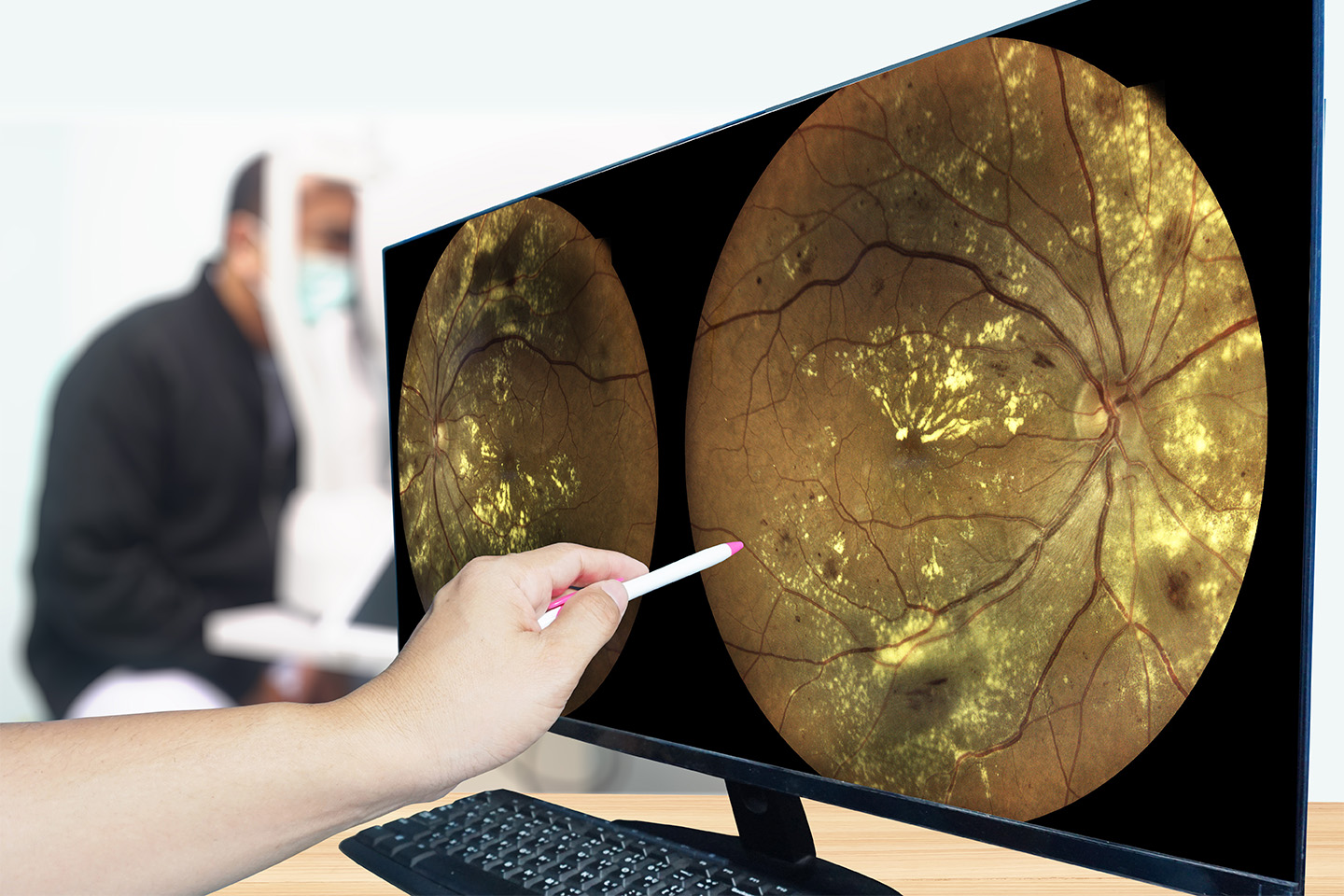
Annual eye exams are essential to assess your vision and eye health. Cataracts are diagnosed by an optometrist or ophthalmologist using a visual acuity test, slit lamp examination, or retinal exam.
Symptoms of Cataracts
Below are common cataract signs and symptoms:
- Light sensitivity or glaring
- Seeing halos around lights
- Needing stronger glasses or contacts
- Double vision in one eye
- Blurred or cloudy vision
- Faded or yellowing colors
- Needing brighter lighting to read
- Difficulty seeing at night
Trust the Cataract Experts at ICON Eyecare
For more than 25 years, ICON Eyecare has delivered exceptional cataract care through a team of board-certified cataract surgeons and the latest technology, including advanced cataract lens implants and ORA System™ Testing. We are a leading ophthalmology practice rooted in surgical and medical services, and patient safety, comfort, and visual outcomes guide everything we do.
Start Your Journey Toward Clearer Vision:
Request your cataract consultationSchedule yYour cCataract cConsultation and see why so many patients trust the expert team at ICON Eyecare in Grand Junction
Explore our cataract surgery resources and learn more about our approach.
[DISPLAY_ULTIMATE_SOCIAL_ICONS]